

Absenteeism Intervention Best Practices in Conducting Safe Home Visits

The Problem

Educators often find themselves strategizing how to get parents to become more engaged with their student’s school attendance and classroom activities.
 
And re-engaging students and families after COVID has further emphasized this concern.
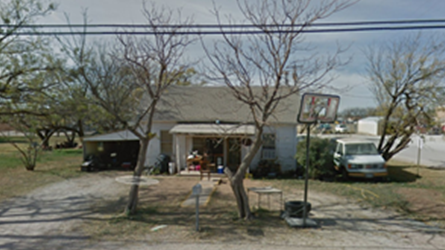
HV1
When reminders, notification and warning letters to homes, ongoing phone call attempts, and now, emails and texts, fail to bring truant students back to school, what’s left? Attendance officers often find themselves traveling into neighborhoods/homes where they feel unwelcome and/or unsafe. Generating positive, mutually beneficial relationships in such a stressful situation is difficult (See Goff, 2016).
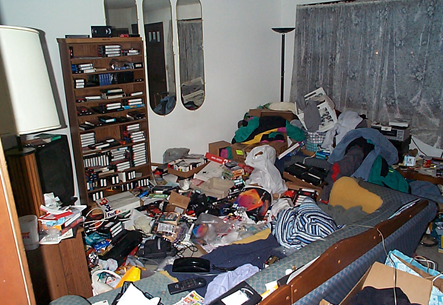
messy room

Advantages of Home Visits

Home visits by social workers or attendance/truancy officers are vital means to establish positive contact and communication with hard to reach parents and families. These visits are NOT considered alternatives for parent-teacher conferences in schools, instead, the visits create an environment where the families feel more comfortable.
The home visits show a sincere desire to facilitate and work with concerned families, as well as, promote proactive communications through which the school system may provide reliable support to the families and their students. Johnson (2014) termed home visits between schools and families as a means by which to negate “deeply entrenched institutionalized inequities” in the American educational system. He noted that since the lives of educators are often disconnected from the lives of their students, district home visits promote the type of relationships and social support that enhances the academic goals of students.  As well, he was of the view that by restructuring traditional family-educator communications and “blurring the boundaries between classrooms and living rooms,” home visits can positively impact the academic success of the students and reveal valuable educational resources in students’ homes (Johnson, 2014, p. 359).
 
On February 20, 2020, Wil Barbee, Lead Attendance Officer, and Angel Seca, Attendance Officer of Abilene Independent School District (ISD) in Abilene, TX shared Best Practices in Conducting Safe Home Visits at the Every Day Matters Summit.

About Abilene ISD

Abilene ISD Attendance Officers share the belief that home visits are a critical intervention in their toolkit for the most resistant truants and hard-to-reach guardians.
Abilene ISD, TX logo
They are also very realistic in the difficult situations that their officers often walk into. Their best practices for conducting the essential home visits are designed to be productive, efficient and ensure the safety of their eight team members.
 
Abilene ISD consists of 33 schools serving 16,600 students. AISD consists of 44% Hispanic, 37% Anglo, 13% African American, 4% two or more races, and 2% Asian/Pacific Islander. Nearly 70% of students are economically disadvantaged. The Annual Attendance Goal is 97%. 
 

For both efficient and safe home visits, this experienced and dedicated team breaks the intervention into three stages: 1) PreVisit, 2) On Location, and 3) Departure

 
The PreVisit recommendations include making sure you: have planned time and location, are dressed appropriately, have everything you need and nothing valuable that is unnecessary, and a reliable and readied vehicle. 
No heels
Dress appropriately in a professional business manner with special attention to appropriate closed-toe, lower-heeled shoes, and clothes that do not hamper movement and departure.

Plan your trip using a reliable mapping program for arrival and departure in daylight hours, and ensure you have knowledge of the area/neighborhood concerns. Assure the vehicle you are taking is in good working order and has adequate fuel.

RaaWee Attendance+ includes a Mobile App with a powerful feature that assists with this route mapping.


When ready to leave for the Home Visit, let someone know where you are going or take someone with you. Double-check that you have your ID and all the documents you need ready and easily accessible.
 
Avoid taking valuables with you or leaving them visible in your parked car. If necessary, hide or lock them in the trunk prior to arriving at home visit site. Keep cell phone or RaaWee Attendance+ iApp with you – ready for recording, pictures or emergency calls as allowed by law. 
ID Card

The application of this OODA Loop methodology is strongly recommended for all Home Visits.

Use the following practical application. Upon arrival prior to parking, drive by the home. If it looks unsafe, do not proceed with the home visit. Document the situation. When proceeding with the home visit, park selectively. Do not block anyone’s parking or driveway. Park in an area that will be easy to exit.
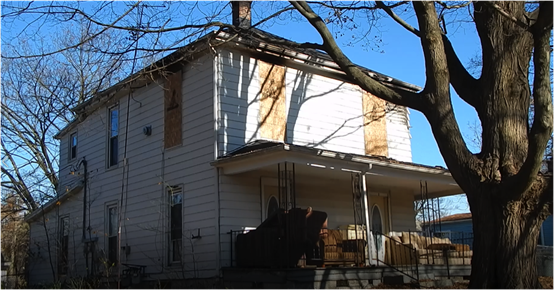

When approaching the home, check for other dangers such as pets, high fences or other obstacles, as well as people in or around the home.
Always avoid going inside the home. Conduct your business in a professional but timely manner from the porch or entry.
Home visits
Remain aware until AFTER Departure. Exit and leave the house as soon as possible. Document your visit once in a safe and highly visible area away from the home. Do not write notes or get on the phone in your parked car. 
 
And finally, let someone know you are back on campus or have completed the home visit, especially if you are not driving directly back to campus.
 

Conclusion

Teachers, parents, and policymakers share the responsibility to ensure that K-12 students achieve academic excellence at the highest possible level at the Abilene ISD. In all of this, developing strong parent-teacher partnerships is vital and may require a structured home visit. Home visits can play a vital role in the promotion of excellent academic results and behavior of the students. When needed, be prepared, be aware, be quick, and stay safe!
 

References

Goff, P. A. (2016, September 1). Addressing Classroom Bias to Improve Learning. In Schott Foundation Webinar Series.
Johnson, E. J. (2014). From the Classroom to the Living Room: Eroding Academic Inequities through Home Visits. Journal of School Leadership, 24, 357–385.