
Doubling Down on School Attendance

Introduction

Public education continues to evolve in response to changing conditions, new generations of learners, and cutting-edge research on better ways to engage diverse student populations. One such approach, called Multi-Tiered Systems of Supports (MTSS), recognizes that educators–and the systems they work within–need to devise multi-pronged strategies to meet the needs of a wide variety of young people. The first line of offense and defense to increasing student success truly comes down to attendance. Simply put, if kids don’t attend school regularly, other doors to achievement and potential career options will, consequently, close. That is…unless we intercede! While many think of MTSS as a set of three-tiered interventions that provide scaled up services for students based on their particular circumstances, companies such as RaaWee K12 Solutions has been recently expanding upon that definition. In addition to the more traditional reactive tools that are employed once students are already identified as being at risk of poor attendance, RaaWee is also spearheading proactive methods that preemptively mitigate potential attendance and truancy concerns before they can turn into bad habits. In this study, we will examine how automated tools can be leveraged to make holistic and positive impacts on student attendance.

MTSS CAN BE SPECIFICALLY APPLIED TO ATTENDANCE ACCORDING TO ATTENDANCE WORKS

Tier 1 represents universal strategies to encourage good attendance for all students.

Tier 2provides early intervention for students who need more support to avoid chronic absences.

Tier 3 offers intensive support for students facing the greatest challenges to getting to school.

Proactive: acting in anticipation of future problems, needs, or changes; taking an active role in dealing with something before it needs to be taken care of.

Reactive: Tending to be responsive or to react to a stimulus; an action performed or a feeling experienced in response to a situation or event.

APPLIED RESEARCH

REACTIVE MTSS

The myriad components that influence attendance are as complex and varied as the individuals involved.Educators and caregivers alike can easily feel overwhelmed by the contributing factors at play on a daily basis when it comes to getting our youth to school on time and ready to learn. In a 2017 study on primary-aged children, Cook, et. al. affirm that the “deep causes of absenteeism are largely beyond the reach of teachers and other school officials. However, these causes are often mediated by day-to-day parent and child behavior patterns and impediments that can be addressed by teachers, such as transportation problems, chronic medical conditions that are not being treated effectively, or lack of an effective plan to ensure that the child is ready for school on time (Kearney & Graczyk, 2014)” (p. 263). These responses can be classified as “reactive” and dealt with through systems and resources provided by the school or district and through their attendance tracking systems.

The RaaWee K12 Solutions platform, for example, contains automation around several outreach mechanisms such as phone calls, texts, and emails, conference invitations, reminder letters, personalized contracts, absences prevention measures, instruction loss tracking and recovery, home visits, coordination with social service partners, and in extreme cases, truancy court.

The Action Board and Navigation Board features in RaaWee TDPS platform are the most robust interventions management tools in the industry. These tools empower school districts to implement the Best Practices while saving thousands of hours of staff time for the district in their attendance tracking and engagement strategies for students who are struggling with attendance.

In line with other academic scholars on the topic, Bauer, et. al (2018) report that, “Researchers have studied the impact of communication with parents regarding attendance, including parent-to-parent communications, two-way texting between parents and schools, and informational mailings to parents. Communicating the value of school attendance to parents was central to the strategy in each study” (p. 20). In concert with this framework, RaaWee has maximized schools’ and districts’ ability to communicate frequently, compassionately, and with ease between staff and families to lessen the multiple barriers which contribute to absenteeism. The RaaWee automated messaging systems are diverse, yet distinctly personalized as well, to encourage positive participation at school.

“With RaaWee K12, now our campus administrators and
specialists can focus on the causes of truancy and dropout and better find
solutions to address those causes.”
Johnny Barrington
Lead Truancy Officer
Hurst-Euless-Bedford ISD, TX

APPLIED RESEARCH

PROACTIVE MTSS

Taking charge on the front end of any endeavor often yields greater success, however, than being reactive. A May 2021 study conducted over a year into the pandemic found that proactive approaches are even more critical as we face the return in-person and on campus this fall. Jordan writes, “In many school districts, tackling the absenteeism crisis will require upgrading and updating data systems, so that schools can see all the data collected in the past year from online platforms, in-person attendance rolls and other systems that have not always connected during the pandemic. It will also require regular reports that allow teachers and administrators to identify new patterns of absenteeism quickly and recognize the reasons that some students are missing school. (p. 8-9). A proactive MTSS plan will likely reduce the number of students needing one or more reactive interventions later on.

“We believe that the best intervention is prevention and positive
reinforcement. Proactive Tools will allow us to effectively and efficiently
outreach and recognize growth.”
East Side UHSD, CA
Dr. Chaunise Powell

In alignment with this most recent study, RaaWee K12 has been updating its digital interface to create greater awareness as well as institute preventative measures that schools and districts can employ as a comprehensive solution to confront attendance issues at all levels. Their strategies embrace the concept that, “Integration of different MTSS-based approaches begins with universal and complementary prevention practices to provide greater breadth with respect to theory and skill development, maximize limited resources, and facilitate synergistic effects (Bruns et al. 2016)” (p. 328). The combined benefits of expanding capacity, preserving district resources, and dovetailing on a district’s other educational efforts are all key components of RaaWee’s menu of services.

Some practical examples from RaaWee’s extensive toolkit include:

1

Informing families about the resources offered by the district so that the families can reach out and benefit from support services before the student misses school. These may include information about transportation options, local health practitioners, or childcare programs

2

Creating an awareness plan to encourage parents that striving for outstanding attendance in early grades will create lifelong habits of good attendance within their family as children move into secondary grade levels.

3

Proactive MTSS is more of a restorative and supportive approach. The goal is to level the playing field for all students from different backgrounds and needs. Employing the 3-R Strategy can be effective:

a. Reminding students and families in the district about the effects of absences on a student’s education and well-being by:

i. Issuing monthly digital flyers and other electronic communications through email, text, and social media

ii. Sharing resources the district has to help with maintaining good attendance at school

iii. Sending personalized electronic attendance records and letters, and encouraging messages from leadership.

b. Rewarding good attendance will increase overall awareness about attending school regularly, such as

i.Perfect Attendance.

ii.STARs and Shout-out Awards

c. Recognizing improvement in attendance with personalized messages may also discourage additional absences.

4

Identifying students who were chronically absent or highly truant in the past and checking in on whether the challenges they faced which contributed to their chronic absences may arise again in the future.

CONCLUSION

Promoting strong attendance has always been an important focus for public education, but never so much as today. After a year of pandemic education in its varied forms, we will need to be creative, forward-thinking, and one step ahead in our approaches to invite, encourage, and reassure our students that coming back to school is in their best interest. Integrating the powerful combination of proactive and reactive MTSS strategies can only result in better outcomes for school districts’ plans for student improvement

A combined strategy will require understanding of each community and finding the sweet spot between Reactive and Proactive support for them

Reactive MTSS Approaches

Doubling Down on School Attendance

Robo-calls

Doubling Down on School Attendance
Phone calls from campus or district staf
Notification

Warning letters

Leadership

Admin/parent/student conferences

notes

Attendance contracts

vector

Home visits

Meeting

Mediation/attendance committee meetings

Recycle

Learning loss recovery

Team

Truancy court referrals

Proactive MTSS Approaches

Calendar

Ongoing parent updates on how absences effect their child’s learning

vector

Regular campaigns reinforcing negative effects of absenteeism

idea

Parent awareness outreach highlighting barrier-specific resources

checklist

Attendance improvement recognition

Achievement

Good attendance rewards

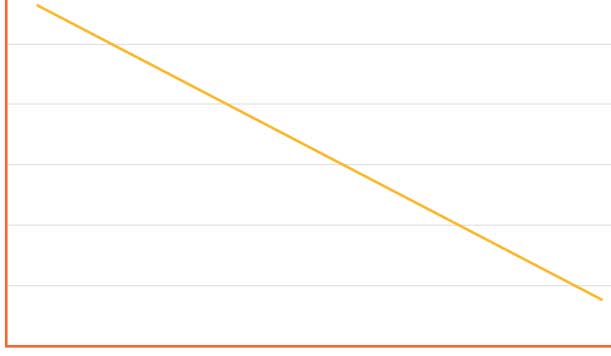
More Proactive Approach Leads To
Lesser Reactive Interventions
Growth
There is no right or wrong when it comes to proactive versus reactive MTSS-related implementations.The only mistake educators can make is not doing either. That’s why RaaWee K12 Solutions is committed to helping districts of all sizes “double down” by taking a tenacious and resolute approach to empowering staff, students, and families through their MTSS programming. Providing twice the amount of assistance equals invaluable rewards for our students and their future.

REFERENCES

Bauer, L., Lui, Patrick, Whitmore Schanzenbach, Diane, & Shambaugh, Jay. (April 2018). Reducing Chronic Absenteeism under the Every Student Succeeds Act. The Hamilton Project and the Brookings Institution.
Cook, Phillip J., Dodge, Kenneth A., Gifford, Elizabeth J. & Schulting, Amy B. (2017). A new program to prevent primary school absenteeism: Results of a pilot study in five schools. Children and Youth Services Review, Volume 82 (262-270).
Jordan, Phyllis W. (May 2021). Present Danger: Solving the Deepening Student Absenteeism Crisis. Future Ed, Georgetown University. Downloaded from
Kearney, C.A., Graczyk, P.A. (April 2020). Multidimensional, Multi-tiered System of Supports Model to Promote School Attendance and Address School Absenteeism. Clin Child Fam Psychol Rev 23, 316–337.

Trusted by Thousands of Schools Across the Nation

Trusted by Thousands of Schools Across the Nation