Collective Approach to Team Building

Dr. Kim Wallace emphasized collective approaches for student attendance issues, highlighting the need for diverse, high-functioning teams, role clarity, and effective communication. She introduced the concept of “collective agency,” stressing on clear goals, prompt issue resolution, and stakeholder inclusion.

The session covered practical strategies for attendance teams, focusing on defined roles, data-driven decisions, and balancing individual and collective responsibilities, with tools like RaaWee Attendance+ supporting these efforts.

Strategies for Attendance Teams

Dr. Wallace shared strategies that balance individual and team responsibilities. She highlighted the use of tools like RaaWee Attendance+ to support these efforts. Participants were encouraged to reflect on their team dynamics, focusing on voluntary participation, strong relationships, and clear roles beyond job titles.

Levels of Human Agency in Team Building

The discussion covered different levels of human agency: personal, collective, and shared. Dr. Wallace emphasized the power of collective impact in improving student learning and teacher effectiveness. A case study showcased data-driven problem-solving, stressing the need for clear interventions and accountability.

Strategic Alignment for Attendance Improvement

Dr. Wallace noted that when teams align strategically, small efforts can lead to major improvements in attendance management.

Utilizing RaaWee Attendance+

Dr. Wallace introduced RaaWee Attendance+ as a useful tool for analyzing attendance data. She encouraged its use for better decision-making. She also discussed the locus of control, urging teams to focus on areas they can change, rather than getting overwhelmed by larger societal issues.

About the Presenter

Kim Wallace, Professional Educational Consultant & Author at Process Makes Perfect

Born and raised in an educator household, Dr. Kim Wallace started her own career in public education 30 years ago as a high school English and history teacher before becoming a site principal and district office administrator. Her most recent K-12 role was as superintendent of one of the 20 largest school districts in California. 

Kim joined the UC Berkeley School of Education Leadership Programs division as the Associate Director of the 21st Century California School Leadership Academy (21CSLA) State Center in 2020. She also runs her own consulting company Process Makes Perfect, specializing in real world solutions for practitioners in the field. Kim consults, writes, and presents internationally on systems change and emerging trends in educational leadership. An award-winning, innovative educator, Kim leverages her abilities in educational administration, program management, and relationship development to optimize institutional effectiveness and deliver remarkable results.

Dr. Wallace’s book Leading the Launch: A Ten-Stage Process for Successful School District Initiatives was published by Solution Tree Press in 2021, followed by Leading Through an Equity Lens in 2023. Her upcoming book, Gamechanging Leadership in Action: An Educator’s Companion is in production with Routledge/Taylor & Francis (Fall 2025). Kim attended the University of California Santa Barbara for her undergraduate degree in history. She then earned her Master’s in Education (M.Ed.) at the University of California Los Angeles and culminated her educational goals with a Doctorate in Education (Ed.D.) from the University of California Davis.
The Collective Approach to Chronic Absenteeism

Widespread Problem in Schools

Chronic absenteeism is rising in schools nationwide as the latest national data reveals that approx. 70% of schools are experiencing increased student absences. Student absenteeism has a ripple effect on the school, family, and community. This urgent crisis demands immediate, effective action from all school community stakeholders.

Addressing Truancy Through Collaboration

To tackle the rise in chronic absenteeism, school leaders and educators must focus on working together through multi-tiered interventions. Solving truancy needs a united effort from schools, families, and community members to create effective solutions. Understanding why students miss school and finding ways to re-engage them involves teachers, counselors, and community support.

Tiered Support for Improvement

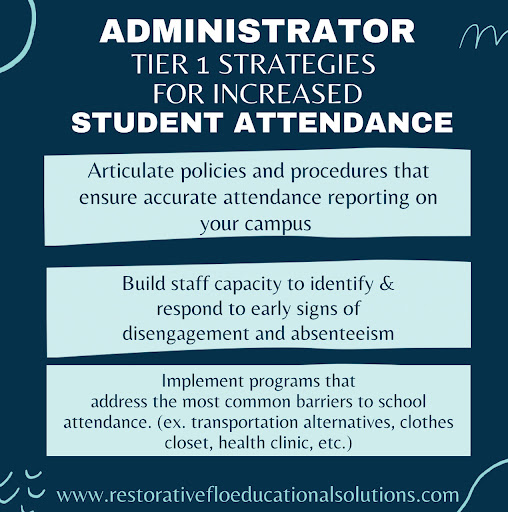
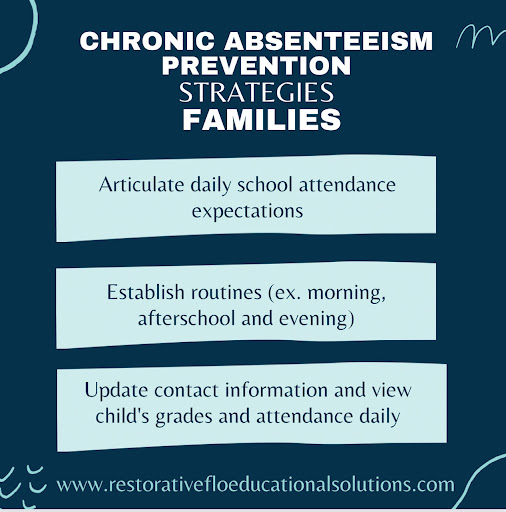
Members of “the collective” need effective support at three levels: preventative (Tier 1), targeted (Tier 2), and individualized (Tier 3). Universal strategies should help all students, and training sessions can help staff spot early signs of disengagement. Information on truancy and attendance rules should be shared with parents during registration, and classes in different languages should be offered throughout the year. Students should also learn about good attendance habits during the first week of school.

The Importance of School Attendance

Daily school attendance is key to student success, affecting academic performance and behavior. Absenteeism impacts schools, families, and communities. Districts must create systems that bring together staff, families, and partners to address attendance challenges. Dan Heath’s book “Upstream” discusses strategies to gather the right people to solve root problems, inspiring leaders to work together on improving attendance.

Building Partnerships for Attendance Improvement

Strong partnerships between schools, families, and communities are essential for overcoming attendance barriers. Join my online webinar, “Where Are Our Students?” at Chronic Absenteeism Online Training | ED311 Events for strategies aimed at administrators, teachers, school nurses, counselors, businesses, and community organizations.

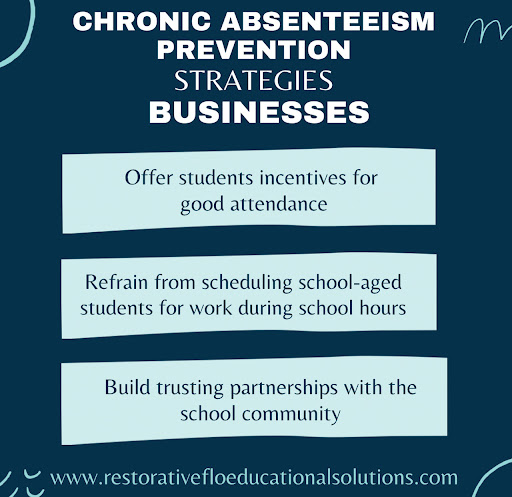
Administrator Tier 1 Strategies
Chronic Absenteeism Prevention Strategies

Resources

Quick Reference Attendance Guide: www.nprinc.com/chronic-absenteeism/ RestorativeFlo Consulting Website: www.restorativefloeducationalsolutions.com
LinkedIn: Sharon Bradley, M.Ed. | LinkedIn

Sharon Bradley
Sharon Bradley, M.Ed. Principal Consultant of RestorativeFlo Educational Solutions, LLC.

About the Author

Sharon Bradley is the Principal Consultant of RestorativeFlo Educational Solutions, LLC and also serves as a school district administrator where she has helped shape the district’s approach to social and emotional development and truancy prevention for all students. Throughout her 22 years in education, she has served as director, alternative high school principal, assistant principal, dropout prevention program coordinator, special education teacher, and behavior specialist. In her current role, she supports programs such as: Attendance, Social Emotional Learning, Restorative Practices, and Parent Education and Engagement. Sharon Bradley has recently been recognized by Education-First “SEL in Action” and D CEO Magazine for her innovative efforts of leveraging SEL to help decrease chronic absenteeism. Sharon is the author of the reference guide “Chronic Absenteeism: Prevention and Intervention Strategies for Schools, Families and Communities”. She is a graduate of Mississippi State University where she earned her bachelor’s degree in Special Education; and her master’s degree in Educational Administration from Prairie View A & M University.

Introduction

On January 19, the Katy Independent School District Team shared their comprehensive approach to Attendance Improvement at the Every Day Matters Summit. Check it Out!

About Katy ISD

Katy Independent School District (Katy ISD) is located in Katy, Texas, just west of Houston. Katy ISD values unique learners and promotes personalized learning experiences. The district believes that collaboration, honoring all voices, fosters ownership and personal accountability.

Role in Attendance and Truancy

In terms of attendance and truancy, everyone at both campus and district levels plays a crucial role. The Departments of Attendance and Truancy, under School Leadership and Support, create guidelines and training to help campuses re-engage students in regular attendance. These departments ensure accurate attendance coding and systematic truancy prevention to combat low attendance rates and promote academic success.

Campus-Level Strategies

At the campus level, principals and their teams know their students best. They have the autonomy to implement strategies that maximize attendance results. 

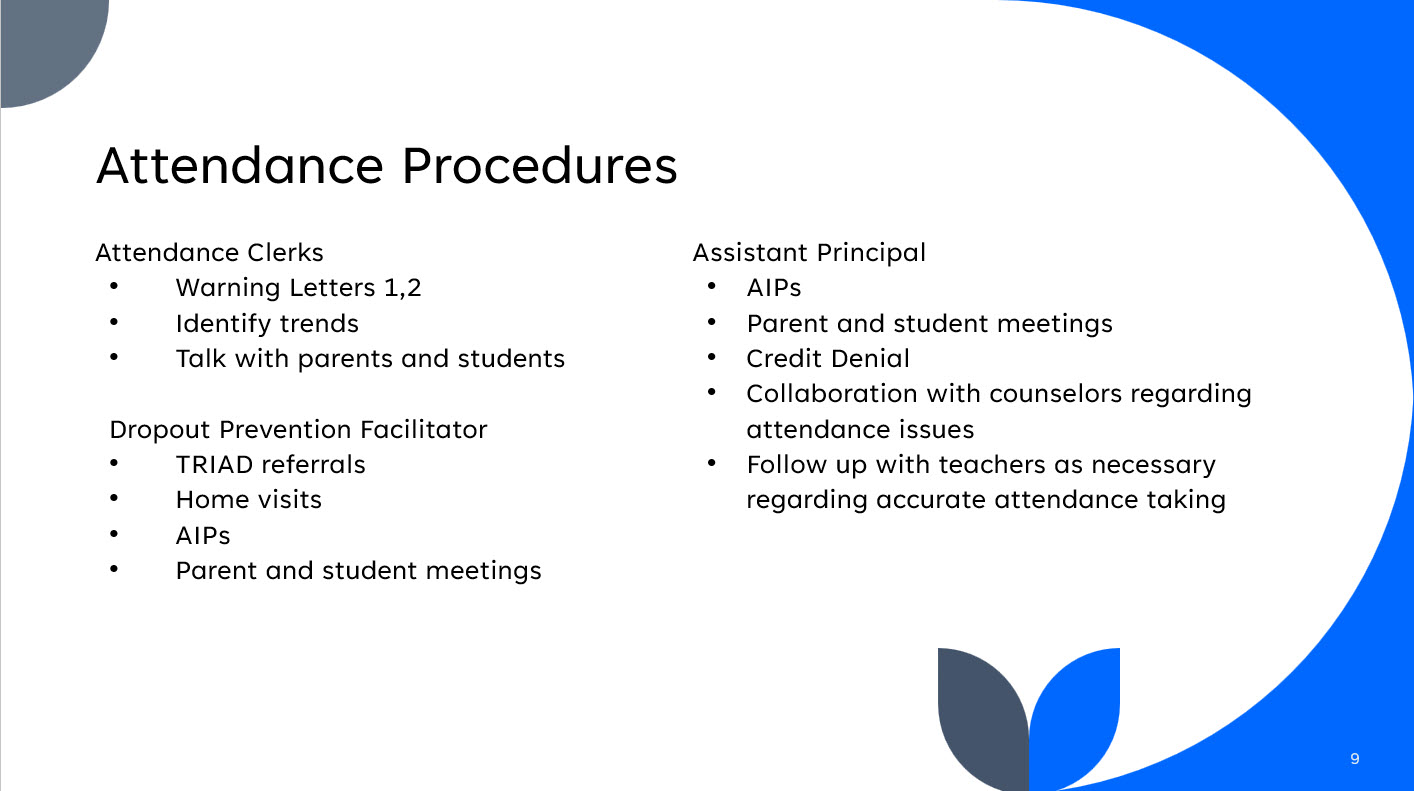
Attendance Procedures

Mayde Creek High School exemplifies this approach by fostering an attendance-focused culture. Serving 2,935 culturally diverse students, 80% of whom are economically disadvantaged, the school’s support staff collaborates to meet with students, review attendance records, and create Attendance Improvement Plans.

Chronic Absenteeism Challenges and Solutions

Reaching students and families can be challenging, but persistence leads to successful home visits, which provide opportunities for connection and referrals to counseling or social services. These visits are vital for truancy prevention and should always involve two team members to address root causes and offer resources.

Utilizing Tools for Attendance Improvement

Mayde Creek High School effectively uses tools like RaaWee dashboards and internal attendance reports to track and share attendance information. Friendly competitions among grade levels and daily attendance updates motivate students to attend class consistently.

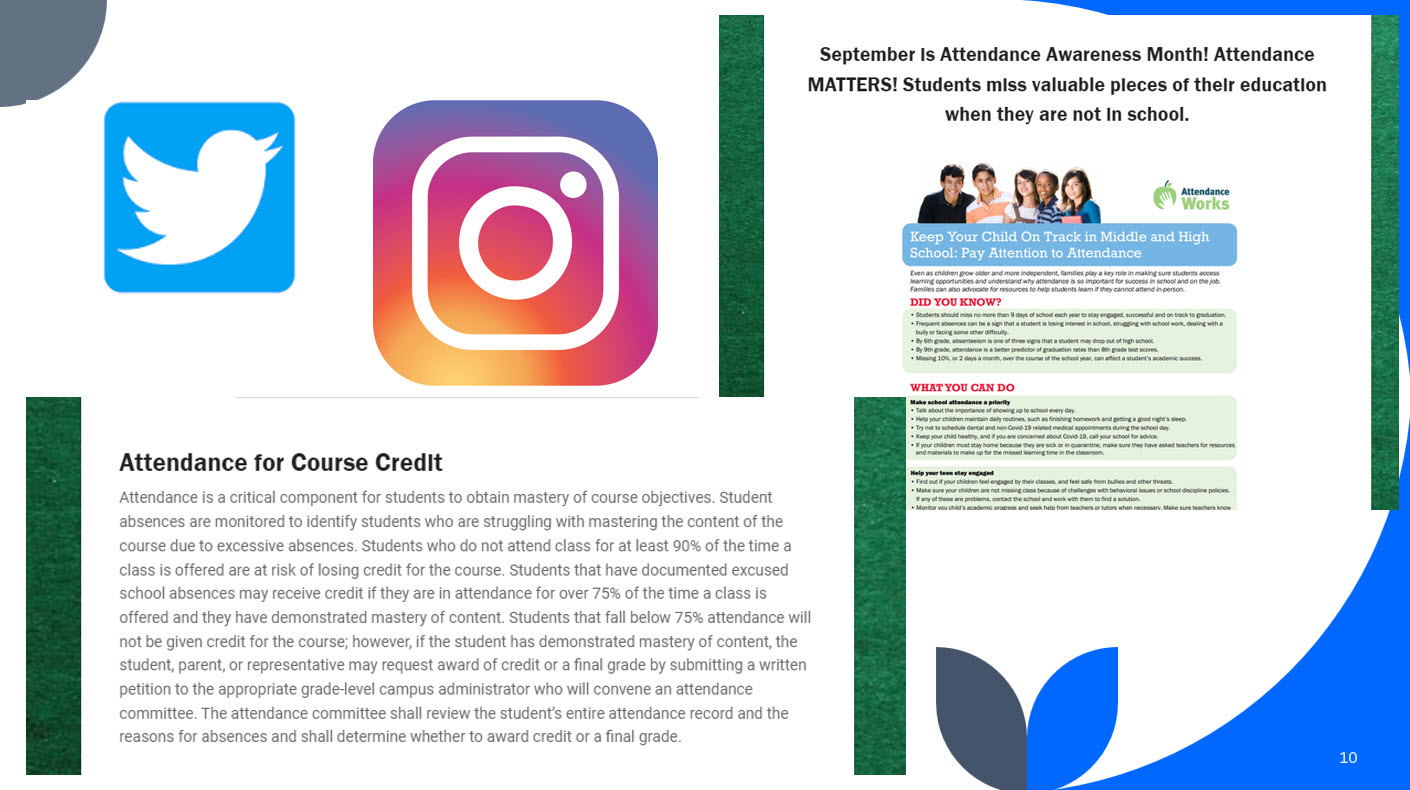
Attendance for course credit

Importance of Teamwork

Working together is key to improving attendance. Dropout Prevention Facilitators, Academic Counselors, Social Workers, and other staff serve as the first point of contact for families. Regular collaboration among these roles enables the development of effective action plans for attendance improvement, ensuring that everyone makes a difference.

Gabriela Pulido, Katy ISD
Gaby Pulido, Katy ISD, TX

About the Author

Gabriela Pulido
Dropout Prevention, Intervention, and Recovery Coordinator, Katy ISD
gabrielapulido@katyisd.org