Galena Park ISD demonstrates how aligning an entire district around attendance can turn everyday actions into sustained improvement. Their approach shows that when expectations are shared, processes are consistent, and interventions are tracked with discipline, campuses create the conditions for stronger student outcomes.

A Shared Framework That Keeps Attendance Front and Center

The district places attendance at the core of its work by setting clear expectations and consistently reinforcing them. Weekly ADA reports, a simple color-coded performance system, and ongoing conversations with campus leaders keep everyone focused on progress.

Color-coding green for strong attendance, yellow for acceptable, and red for below the district goal provides leaders, clerks, and support staff a common language. It ensures that every campus knows where it stands and what needs attention.

Even when natural events like hurricanes and ice storms disrupt routines, the district maintains its focus by embedding attendance in all meetings and communication channels. This consistency signals that attendance is not a seasonal initiative but a sustained priority.

Training That Builds Alignment Across Roles

Galena Park ISD invests heavily in ensuring everyone understands their role in the attendance process. Districtwide training at the start of each school year creates foundational alignment among principals, assistant principals, counselors, social service workers, and attendance and truancy clerks.

Throughout the year, the district reinforces expectations through recurring structures:

    • Monthly meetings with assistant principals to review campus work in RaaWee Attendance+
    • Monthly meetings with attendance and truancy clerks to surface concerns, share updates, and celebrate progress
    • Open lab sessions for staff who need hands-on help using the RaaWee system

These touchpoints make attendance a daily habit rather than an occasional check-in. They also strengthen collaboration among the people who perform the work closest to students and families.

A System That Supports Timely, Documented Interventions

The district relies on RaaWee Attendance+ to organize and track interventions. Staff log outreach, follow-up tasks, and next steps so that no student case depends on memory or isolated spreadsheets. The action board becomes a living workspace for clerks, administrators, and support staff. This structure supports:

    • Early identification of concerning patterns
    • Consistent follow-through
    • Clear visibility into who is doing what
    • Stronger communication with families
    • Better coordination among campus teams

ASAP officers also play a role by conducting home visits and verifying addresses. Their work supports safety, re-engagement, and early problem-solving when attendance concerns arise.

Recognition That Reinforces Consistent Practice

Galena Park ISD understands that attendance improvement requires sustained effort, and they reinforce that effort through recognition. Using RaaWee reports, the district highlights top users and campuses that consistently complete interventions and maintain accurate records.

Principals receive attendance-based incentive checks, which they can use to motivate students and strengthen campus culture. Student incentives such as dances, celebrations, and other rewards are supported through grants, district budget allocations, and partnerships with local businesses.

This recognition system keeps everyone focused on the behaviors that matter. 

Communication and Relationship-Building as the Foundation

Across the session, the district emphasized that the heart of attendance work is relationship-building with students, families, and one another. Regular communication, predictable processes, and a unified message help build trust. This consistency also supports accountability, including the enforcement of policy in cases of extensive unexcused absences.

By keeping attendance visible in every meeting and making communication a daily practice, the district ensures that teams stay aligned and families stay informed.

What Other Districts Can Take Away

Galena Park ISD’s approach highlights several strategies that strengthen whole-team buy-in for timely interventions:

    • Make attendance expectations clear and visible across the district
    • Use simple systems that help leaders and staff understand performance at a glance
    • Provide training that reaches every role involved in attendance
    • Reinforce expectations through regular meetings and hands-on support.
    • Use a centralized platform to track interventions and tasks
    • Recognize staff and campuses that maintain strong attendance practices
    • Lean on partnerships and available resources to support incentives
    • Keep communication steady, transparent, and relationship-driven

When every adult in a district understands their role, knows what to do, and has the tools to act quickly, timely interventions become routine, and districts build the conditions for lasting success.

Myra Castaneda
Myra Castaneda

About the Author

Myra Castaneda is the Program Director for Educational Support at Galena Park Independent School District (ISD) in Texas. She is dedicated to enhancing educational opportunities for all students and promoting academic success within the district.

In her role, Myra oversees programs that provide essential resources and support to students, educators, and families. She collaborates with teachers, administrators, and community partners to develop innovative strategies that address student needs, fostering a positive learning environment and promoting engagement.

With a strong background in education, Myra is committed to empowering learners and ensuring they have the necessary tools to thrive academically and personally, making a significant impact at Galena Park ISD.


In Alice ISD, attendance is more than a metric; it’s a reflection of how well the district removes barriers to student success. Serving nearly 5,000 students in South Texas, with 92.8% identifying as Hispanic and more than 84% economically disadvantaged, Alice ISD faces challenges that extend far beyond the classroom. Economic pressures, adolescent substance use, and the lingering effects of the pandemic have all fueled chronic absenteeism.

Rather than relying on punitive measures, Alice ISD built a systems approach that blends social work, mental health services, and community partnerships with real-time insights from the RaaWee Attendance+. This combination enables the district to identify issues early, mobilize resources promptly, and ensure that students are not only present but also fully supported in their learning journey.

A Vision Backed by Resources

In 2019, Alice ISD secured a $1.2 million School Climate Transformation Grant, a pivotal step in reimagining how the district approached attendance and student well-being. The funding enabled the district to expand its social work team, implement trauma-informed practices, and purchase telehealth services to address the increasing mental health needs of students.

The goal was clear: ensure that every campus has a dedicated social worker, creating equitable access to support for all students. By 2022, this vision became a reality.

Social Work at the Center

Alice ISD now has four licensed social workers and two case managers leading efforts to tackle chronic absenteeism through proactive and restorative strategies. Their work includes:

    • Conducting biopsychosocial assessments to identify barriers to attendance.
    • Delivering staff training on trauma-informed practices.
    • Offering alternative pathways, such as the FLEX program, to prevent students from dropping out due to economic pressures.
    • Leveraging the generalist intervention model to connect students and families with the right resources at the right time.

Attendance, once viewed as an isolated compliance issue, is now recognized as a shared responsibility among educators, families, and the community.

Building Community Partnerships

What sets Alice ISD apart is its ability to rally the community around student success. Partnerships span multiple sectors, including:

    • Local judges address truancy cases with a restorative, not punitive, lens.
    • Food banks provide weekend meals through backpack programs.
    • The Boys and Girls Club of Alice and the Community Action Corporation of South Texas are offering extended support beyond the school day.
    • Monthly community support meetings tackle sensitive but urgent topics such as suicide prevention, substance abuse, and healthy relationships.
    • These collaborations create a safety net that ensures students not only attend school but also thrive while they’re there.

A Case Study in Action

The district’s systems approach is best illustrated through individual stories. One case involved a 14-year-old student with excessive absences tied to substance use.

Through a comprehensive assessment, the social work team identified the root causes: lack of structure at home, failing grades, and access to synthetic marijuana. Rather than resorting to suspension, the district connected the student with substance abuse treatment, tutoring services, and wraparound supports.

The result? Improved attendance, stabilized grades, and a stronger connection to school.

This case highlights the district’s philosophy: addressing absenteeism requires meeting students where they are and engaging multiple systems, including school, family, and community.

Lessons for Other Districts

Alice ISD’s systems approach demonstrates that addressing chronic absenteeism necessitates more than attendance officers and automated calls home. It takes:

    • Data-driven early intervention through tools like Gaggle, which monitors for risks such as self-harm, bullying, and drug use.
    • Strategic investments in mental health and climate-building resources.
    • Partnerships that extend beyond school walls to address economic and social barriers.
    • A whole-child perspective that values belonging, support, and equity as much as compliance.

The key takeaway for other districts: when attendance strategies are grounded in empathy, backed by resources, and supported by the community, students show up, not just physically, but emotionally and academically ready to succeed.

Addressing chronic absenteeism requires more than monitoring data, it demands real connection with the students behind the numbers. In Louisiana, a new collaborative model is transforming how schools respond to absence, centering engagement at every level: student, family, and community.

By focusing on agency, belonging, and connection, Louisiana’s approach shifts the focus from punitive interventions to proactive, personalized support. The results speak for themselves: in one pilot district, chronic absence decreased by 40%, and average daily attendance (ADA) climbed from 70% to over 90%.

Addressing Root Causes

Chronic absence doesn’t happen in a vacuum. Students often miss school due to complex psychosocial factors; stress, fear, bullying, or unstable home environments. Recognizing this, Louisiana education leaders drew on trauma-informed practices to design interventions grounded in empathy and understanding.

Students don’t drop out overnight. They disengage slowly, often in silence. By recognizing early signs like school avoidance, educators can intervene with empathy and support before that disengagement becomes irreversible.

Attendance Teams and Tiered Supports

At the heart of Louisiana’s strategy is a statewide attendance workbook designed in collaboration with LSU’s Social Research and Evaluation Center. It offers a step-by-step guide for building effective school-level attendance teams, not just at the district or system level.

These teams use tiered levels of support to respond to students’ needs while avoiding the trap of “tiering” students themselves. With regular data analysis (including ADA, truancy rates, and chronic absence breakdowns by student population), schools can target their efforts where they are needed most.

The Empathy Interview Approach

One of the most effective strategies highlighted in the model is the use of empathy interviews. These conversations with students and families uncover personal and systemic barriers to attendance; from transportation issues to anxiety and safety concerns.

This insight leads to smarter interventions, such as:

  1. Creative scheduling and flexible learning options
  2. Providing resources in families’ home languages
  3. Reframing communication to avoid punitive or legalistic language

Even something as simple as recognizing improved attendance rather than just perfect attendance helps build momentum and motivation.

Creating a Culture of Belonging

Schools are reimagining what meaningful family engagement looks like. Instead of one-off events, they are incorporating family voices into school culture year-round: honoring cultural months, celebrating milestones, and calling home not just when things go wrong but to say thank you.

Schools that embed belonging into their culture see higher engagement from both students and families. This includes aligning with local community resources, crafting compelling sponsorships, and ensuring families feel like partners in their child’s education not spectators.

Turning Insight into Action

The triad approach engaging students, families, and communities does more than reduce absence. It builds stronger school ecosystems where students feel seen, families feel respected, and educators are supported with real tools and data.

To make these strategies sustainable and scalable, districts are turning to tools like RaaWee Attendance+. These solutions help operationalize insights, enabling school teams to move from intention to impact with consistency, care, and real-time data.

As more districts adopt this model, the shift from reactive attendance policies to restorative engagement practices continues to gain momentum. And with the right tools and mindset, every school can create a culture where every day and every student truly matters.

About the Presenter

Shelneka Adams-Marsalone serves as the Child Welfare & Attendance Liaison at the Louisiana Department of Education.

In this role, she guides statewide initiatives to reduce chronic absenteeism by shifting from punitive approaches to restorative, student-centered practices. She works closely with districts to equip child welfare and attendance professionals with tools that strengthen family engagement and build positive school climates.

A strong advocate for the RESET model (Restoring Every Student, Every Teacher), she champions strategies that keep students connected to learning and address root causes of absence. Her work reflects a deep belief that attendance is not just about compliance, but about ensuring every child feels supported, valued, and capable of success.

Summary

Mr. Carampatan from Aldine ISD presented strategies to boost student attendance and combat absenteeism, emphasizing the importance of RaaWee Attendance+ tools. The district saw a 1.08% increase in ADA, with 52% of campuses achieving at least a 1% growth. RaaWee’s warning letters and attendance contracts significantly improved attendance. The district’s plan involved data-driven decisions, weekly monitoring, Triad’s parental support, and monthly rewards to boost attendance.

Data-Driven Absenteeism Reduction

Aldine ISD implemented RaaWee Attendance+ to enhance student attendance across 83 campuses. After a year of use, the district saw a 1.08% increase in Average Daily Attendance (ADA), with 52% of campuses achieving at least a 1% improvement. Automated warning letters and attendance contracts played a crucial role in this success.

Stakeholder Collaboration and Strategic Planning

Aldine emphasized a structured approach by defining roles, engaging stakeholders, and leveraging data from E-School for decision-making. Weekly monitoring, structured support, and positive reinforcement, such as financial incentives and monthly competitions, sustained progress.

Targeted Attendance Support for Schools

To address varying attendance challenges, campuses were categorized using SAC criteria. Schools with higher absenteeism received tailored action plans and additional support to drive improvement.

Utilizing RaaWee Attendance+ for Effective Interventions

RaaWee  Attendance+ streamlined attendance tracking, automated alerts, and ensured timely interventions. The district also partnered with Triad, a Harris County service, to provide parental training and prevent truancy.

Sustaining a Culture of Accountability

Aldine ISD ensured a smooth implementation through clear communication and phased rollouts. By celebrating successes and refining strategies, the district continues to foster a culture of accountability and engagement, applying consistent attendance policies across all grade levels.

About the Presenter

Paul Carampatan, Director of School Administration at Aldine ISD.

Paul Carampatan is dedicated to student success as the Director of Student Services at Aldine ISD in Texas. He oversees programs that support diverse student needs and focuses on equity and access.

With over a decade of experience in educational administration, Paul collaborates with teachers, parents, and community partners to foster a supportive environment. He advocates for mental health awareness and social-emotional learning.

In his free time, Paul enjoys family activities and exploring Texas’s cultural diversity, making a positive impact on Aldine ISD students.

Collective Approach to Team Building

Dr. Kim Wallace emphasized collective approaches for student attendance issues, highlighting the need for diverse, high-functioning teams, role clarity, and effective communication. She introduced the concept of “collective agency,” stressing on clear goals, prompt issue resolution, and stakeholder inclusion.

The session covered practical strategies for attendance teams, focusing on defined roles, data-driven decisions, and balancing individual and collective responsibilities, with tools like RaaWee Attendance+ supporting these efforts.

Strategies for Attendance Teams

Dr. Wallace shared strategies that balance individual and team responsibilities. She highlighted the use of tools like RaaWee Attendance+ to support these efforts. Participants were encouraged to reflect on their team dynamics, focusing on voluntary participation, strong relationships, and clear roles beyond job titles.

Levels of Human Agency in Team Building

The discussion covered different levels of human agency: personal, collective, and shared. Dr. Wallace emphasized the power of collective impact in improving student learning and teacher effectiveness. A case study showcased data-driven problem-solving, stressing the need for clear interventions and accountability.

Strategic Alignment for Attendance Improvement

Dr. Wallace noted that when teams align strategically, small efforts can lead to major improvements in attendance management.

Utilizing RaaWee Attendance+

Dr. Wallace introduced RaaWee Attendance+ as a useful tool for analyzing attendance data. She encouraged its use for better decision-making. She also discussed the locus of control, urging teams to focus on areas they can change, rather than getting overwhelmed by larger societal issues.

About the Presenter

Kim Wallace, Professional Educational Consultant & Author at Process Makes Perfect

Born and raised in an educator household, Dr. Kim Wallace started her own career in public education 30 years ago as a high school English and history teacher before becoming a site principal and district office administrator. Her most recent K-12 role was as superintendent of one of the 20 largest school districts in California. 

Kim joined the UC Berkeley School of Education Leadership Programs division as the Associate Director of the 21st Century California School Leadership Academy (21CSLA) State Center in 2020. She also runs her own consulting company Process Makes Perfect, specializing in real world solutions for practitioners in the field. Kim consults, writes, and presents internationally on systems change and emerging trends in educational leadership. An award-winning, innovative educator, Kim leverages her abilities in educational administration, program management, and relationship development to optimize institutional effectiveness and deliver remarkable results.

Dr. Wallace’s book Leading the Launch: A Ten-Stage Process for Successful School District Initiatives was published by Solution Tree Press in 2021, followed by Leading Through an Equity Lens in 2023. Her upcoming book, Gamechanging Leadership in Action: An Educator’s Companion is in production with Routledge/Taylor & Francis (Fall 2025). Kim attended the University of California Santa Barbara for her undergraduate degree in history. She then earned her Master’s in Education (M.Ed.) at the University of California Los Angeles and culminated her educational goals with a Doctorate in Education (Ed.D.) from the University of California Davis.

Introduction

On January 19, the Katy Independent School District Team shared their comprehensive approach to Attendance Improvement at the Every Day Matters Summit. Check it Out!

About Katy ISD

Katy Independent School District (Katy ISD) is located in Katy, Texas, just west of Houston. Katy ISD values unique learners and promotes personalized learning experiences. The district believes that collaboration, honoring all voices, fosters ownership and personal accountability.

Role in Attendance and Truancy

In terms of attendance and truancy, everyone at both campus and district levels plays a crucial role. The Departments of Attendance and Truancy, under School Leadership and Support, create guidelines and training to help campuses re-engage students in regular attendance. These departments ensure accurate attendance coding and systematic truancy prevention to combat low attendance rates and promote academic success.

Campus-Level Strategies

At the campus level, principals and their teams know their students best. They have the autonomy to implement strategies that maximize attendance results. 

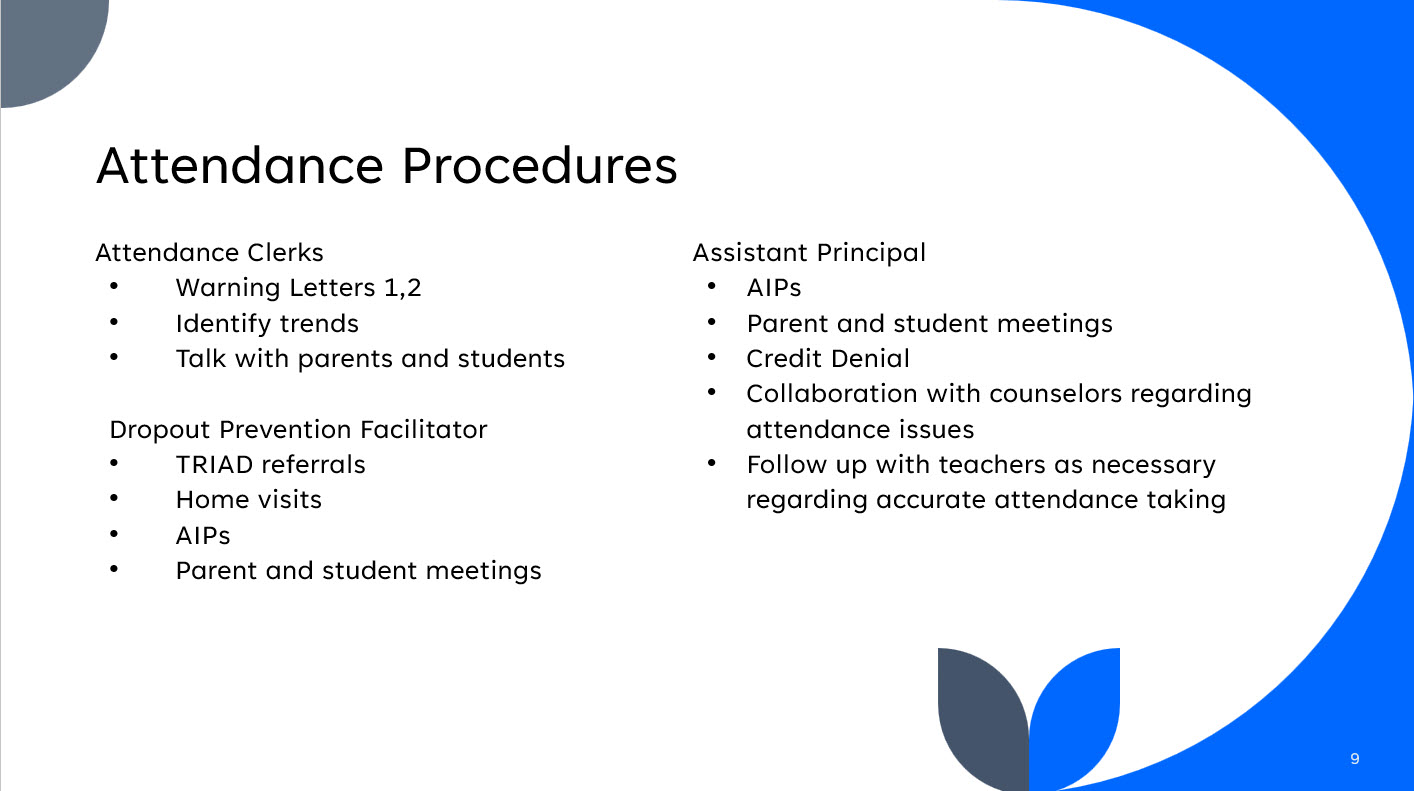
Attendance Procedures

Mayde Creek High School exemplifies this approach by fostering an attendance-focused culture. Serving 2,935 culturally diverse students, 80% of whom are economically disadvantaged, the school’s support staff collaborates to meet with students, review attendance records, and create Attendance Improvement Plans.

Chronic Absenteeism Challenges and Solutions

Reaching students and families can be challenging, but persistence leads to successful home visits, which provide opportunities for connection and referrals to counseling or social services. These visits are vital for truancy prevention and should always involve two team members to address root causes and offer resources.

Utilizing Tools for Attendance Improvement

Mayde Creek High School effectively uses tools like RaaWee dashboards and internal attendance reports to track and share attendance information. Friendly competitions among grade levels and daily attendance updates motivate students to attend class consistently.

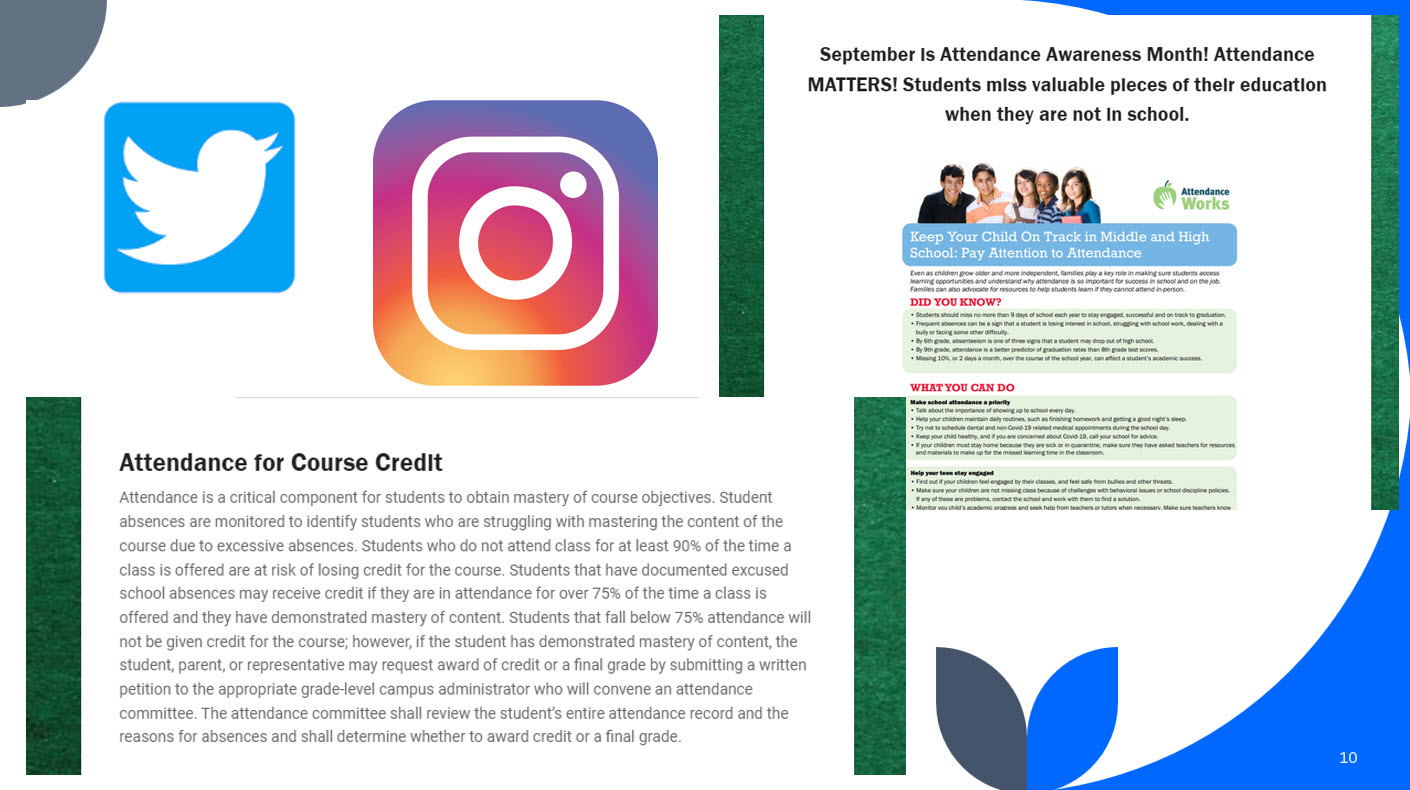
Attendance for course credit

Importance of Teamwork

Working together is key to improving attendance. Dropout Prevention Facilitators, Academic Counselors, Social Workers, and other staff serve as the first point of contact for families. Regular collaboration among these roles enables the development of effective action plans for attendance improvement, ensuring that everyone makes a difference.

Gabriela Pulido, Katy ISD
Gaby Pulido, Katy ISD, TX

About the Author

Gabriela Pulido
Dropout Prevention, Intervention, and Recovery Coordinator, Katy ISD
gabrielapulido@katyisd.org