
What is the challenge regarding mental health and student attendance?
Yesterday and today are different. For many, the difference is like night and day. This is the case for those who experience mental health challenges versus those who do not. It is not the same as having a bad day. It’s hard to describe.
Student attendance is significantly impacted by mental health challenges, which often manifest as changes in daily routines and academic performance, leading to increased absenteeism. These issues are particularly critical as statistics reveal that 50% of all mental disorders begin to develop before a child reaches the age of 15, making early intervention crucial. School disruptions, such as those experienced during the COVID-19 pandemic, further compounded chronic absenteeism by limiting students' access to essential support services beyond academic instruction.
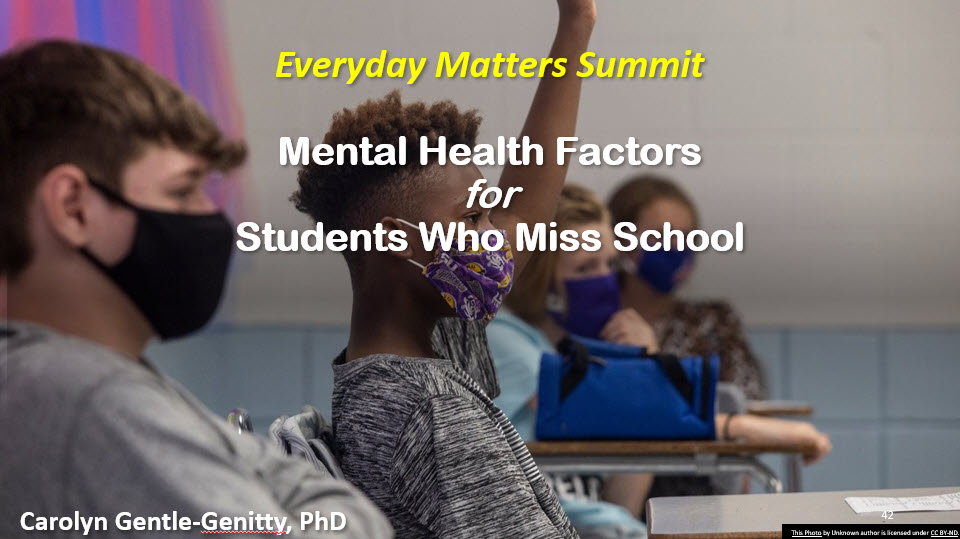
Student Attendance and Mental Health
The gap between yesterday and today can feel strikingly different for individuals grappling with mental health challenges compared to those who do not. This distinction extends beyond merely experiencing an occasional bad day; it encompasses a deeper internal struggle that significantly influences how we feel, think, and behave. For children, these mental health issues frequently manifest as changes in their daily routines and academic performance, leading to increased absenteeism. Alarmingly, statistics reveal that 50% of all mental disorders begin to develop before a child reaches the age of 15, making early intervention crucial for effective student attendance improvement.
Chronic Absenteeism and School Resources
Schools serve as vital institutions where students learn essential skills, ranging from reading and writing to problem-solving and social interaction. They also provide crucial support services for children while their parents work. However, many students lost access to these essential resources during periods of disruption, which included not just education but also food services, health care from school nurses, opportunities for social development, and activities that foster teamwork and discipline. Additionally, students missed out on learning important life skills related to self-care, hygiene, time management, and the cultivation of their identities. The transition to online learning allowed for the continuation of academic instruction, yet it largely failed to address the remaining 80% of the holistic support that schools traditionally offer. This lack of comprehensive care compounded issues of chronic absenteeism, leaving both students and parents feeling constrained and overwhelmed. As a result, there was a notable increase in mental health issues, particularly among those students who continued to miss school.
Attendance Improvement Strategies
To effectively support students who are grappling with mental health challenges and chronic absenteeism, schools can adopt a variety of targeted strategies designed to address these pressing issues. Implementing initiatives focused on attendance improvement can help cultivate a supportive environment that encourages regular attendance and promotes overall well-being among students. By identifying and addressing the root causes of absenteeism, schools can create tailored interventions that not only enhance student attendance but also contribute positively to their mental health and academic success.

What is the context of student absenteeism during the COVID-19 pandemic?
The context of student absenteeism during the COVID-19 pandemic involves over 332 million children linked to lockdown policies, as reported by UNICEF. Many students were absent or affected mentally or physically due to school shutdowns, closures, or the shift to online learning during this period.
The impact was of catastrophic proportions with an underlying problem–mental health. For students and teachers, the states of mind, body, place, ability, and connection were disrupted during the pandemic.
Levels of context and feelings around many generalized everyday terms like:
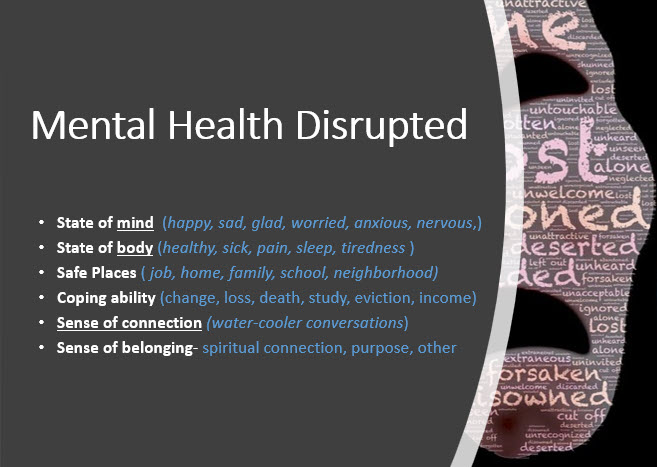
Student Attendance and Holistic Support
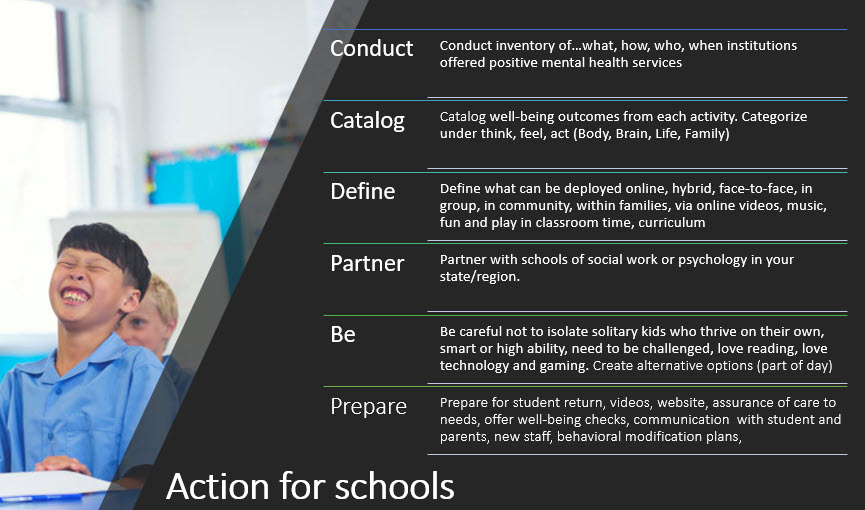
To effectively respond to all states of what was disrupted, schools must expand their focus beyond just academics. It is essential to reintegrate play, fun, music, poetry, and role modeling into the school experience, utilizing community partners and actively engaging parents. Convening task forces can provide the necessary support, but the American Council on Education suggests that attention should also be directed toward enhancing overall campus culture and climate. This approach aims to promote, improve, and foster positive mental health and well-being while increasing awareness and access to services. Changes to policies and protocols for supporting mental health are crucial in this effort. The overarching goal remains the same: to help students express their thoughts, normalize questions and concerns, build relationships, and maintain connections. UNICEF Director Forte emphasizes the urgency, stating, “Many children are left feeling afraid, lonely, anxious, and concerned for their future. We must emerge from this pandemic with a better approach to child and adolescent mental health, and that starts by giving the issue the attention it deserves.”
Attendance Improvement through Understanding Mental Health
Mental health encompasses a range of mixed disorders, conditions, and symptoms, often associated with impaired socioemotional development or linked historically or diagnostically. Empirical outcomes for students experiencing absenteeism include behavioral changes and school attendance problems, which can manifest as school avoidance, withdrawal, refusal, truancy, or even dropout. These behaviors can arise from various stimuli, such as avoidance, escape, attention-seeking, or the pursuit of rewards outside of the school environment. The factors surrounding mental illness can be both risk and protective, but they are often cumulative and represent a bundled risk.
The Impact of the Pandemic on Absenteeism
During the pandemic, the effects of bundled risk became glaringly evident in both time and space. In terms of time, we witnessed changes characterized by scarcity, poor time management, limited self-care, and a breakdown in collaborative care—often referred to as outsourcing. Outsourcing care is a hallmark of modern society, where we rely on partners to address various needs: schools educate, restaurants provide meals, healthcare professionals offer medical services, sports and events furnish entertainment, and churches and daycares offer community and care for our loved ones. However, the pandemic and subsequent lockdowns drastically altered this outsourcing dynamic. These changes blurred boundaries, leading to increased crises and emotional outbursts, further complicating the landscape of student attendance and mental health.
What actions can schools take to address student mental health and absenteeism?
Most common intervention is Cognitive behavior therapy to respond to anxiety, depression, self-efficacy, emotional distress, social-emotional, academic development. However, Psychosocial Intervention, Narrative Therapy, Motivational Interviewing, Parental Counseling, and Family Therapy are also options. Yet providing resources and education on spotting and responding to somatic complaints (stomachache, feeling unwell or resistive behavior (temper tantrums, violent behavior) are also universal resources that can be offered.
Citation
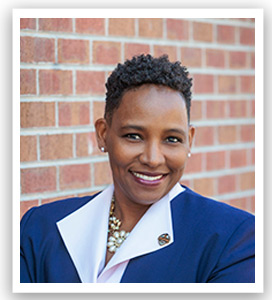
About the Author
Dr. Carolyn S. Gentle-Genitty is a scholar, systems thinker, and one of the country’s foremost authorities on school attendance science. As the developer of the Perceptions of School Social Bonding (PSSB) instrument, the only validated tool measuring all four of Hirschi’s social-bonding constructs, she has spent three decades reframing how schools understand why students miss school and what to do about it. Her central argument: attendance is not a compliance problem. It is the visible, measurable outcome of whether a student feels connected, valued, and safe enough to show up.
Dr. Gentle-Genitty is the CEO of Attendance USA, the first U.S. national organization dedicated to attendance science, policy, and practice.